Sally Says Speech & Language Therapy — sallysays.co.nz
/tr/ Sound Practice — 8+ years — conversation
This month's goal
To use the sound confidently in everyday conversation — /tr/ sound
Practice goal
5 minutes
3–5 times per week
Remember
Small amounts of practice throughout the week are more helpful than long sessions.
Most families only complete the Core Practice section regularly — that is completely okay.
Core Practice
— Start here5 minutes is enough. Choose 1–2 activities at a time. Keep it playful — you do not need perfect speech.
How to make the /tr/ sound
The /tr/ sound is a blend of two sounds — /t/ and /r/ — that run together quickly. Your child starts with the tongue tip touching just behind the top front teeth (like the /t/ sound), then slides straight into the /r/ sound. With practice, these two sounds will start to feel like one smooth movement.
Tongue tip starts just behind the top front teeth. Lips are slightly rounded. The tongue quickly slides back as the /r/ sound kicks in.
👄 Tongue up, then slide. Lips gently round.
Practice words
~ 2 minsPractice sentences
~ 3 minsThe truck drove down the track.
I climbed the big tree.
The train is really fast.
We went on a trail walk.
She won a trophy for the trip.
Optional Extra Practice
If your child is enjoying the practice, try one of these extra activities.
🎧 Listening Challenge
Say each pair of words clearly to your child. Ask them to hold up one finger when they hear the /tr/ word and two fingers for the other word. No speaking needed — just listening!
After each pair, give a thumbs up and say the /tr/ word again so your child hears it one more time.
🔤 Sound Sorting
Read each word aloud clearly. Ask your child to point to the 'tr' side of a piece of paper (you can write TR on one side and NO TR on the other) depending on whether they hear the /tr/ sound. No speaking required — just listening and pointing.
Has /tr/
Does not
❓ Quiz
Does the word 'train' start with /tr/, /dr/, or /fr/?
Answer: /tr/
Which of these words has the /tr/ sound: 'free', 'tree', or 'three'?
Answer: tree
Can you think of two words that start with /tr/? They can be from your practice words or any other words you know.
Answer: Any two /tr/ words — e.g. truck, trail, trophy, train, trip, true
✅ This week my child…
Fun Challenges
These are just for fun — choose the ones your child would enjoy.
🏃 Throw and Say
Grab a soft ball or rolled-up pair of socks. Stand a few steps apart. Each time you throw the ball, say one of the /tr/ practice words. Your child catches the ball — and then throws it back saying the next word. Take turns and keep the rally going. If a word is tricky, just say it together before the next throw.
🏆 Weekly Challenge
This week, next time you're outside — at the park, on a walk, or even in the backyard — see if you can spot three things that start with /tr/. Trees count! You could also challenge a parent or sibling to find one. Whoever spots the most wins.
🤔 Riddle
Clue 1: I run on rails and carry passengers or cargo from place to place.
Clue 2: I make a chugging sound and you might wave at me when I pass by.
Answer: train
🔢 Maths With Sounds
A train has 6 carriages. 2 of them carry trucks. How many carriages are left for passengers?
Answer: 4 carriages
You collect trophies. You have 5 already and you win 3 more on a trail run. How many trophies do you have now?
Answer: 8 trophies
There are 12 trees in a park. A storm knocks down 4 of them. How many trees are still standing?
Answer: 8 trees
Take Home Game
— Once the worksheet is doneA fun way to keep practising — use a game you already have at home, or the suggested substitute.
🎲 Roll and Say
~ 5–10 minsWhat you need
One die and a set of word cards (write the practice words on small pieces of paper or card — tree, train, truck, trip, track, trail, trophy, true).
How to play
Spread the word cards face-up on the table. Take turns rolling the die. Whatever number you roll, say that word that many times. If you roll a 3 and pick 'train', say 'train, train, train!' Then swap turns. Keep going until all the cards have been rolled for.
To keep it easy and low-pressure, you can say the word together with your child first before they have a go on their own. There's no pressure to get it perfect — having a go is what counts.
Don't have it? No die? Use a spinner drawn on paper with numbers 1–6, or just take turns choosing a number between 1 and 4.
Everyday Life Ideas
Speech practice can happen anywhere, anytime. You don't need to stop and “do therapy” — simply model the sound naturally during everyday conversations.
- •On car rides, play a simple I-Spy using /tr/ words — 'I spy with my little eye something that starts with tr...' Trees, trucks, and traffic lights are great starting points.
- •At mealtimes, name any food that comes in a tray, or chat about a trip or trail walk you'd like to go on together — no pressure to produce the sound, just keep the words coming up naturally.
- •If your child says 'tuck' instead of 'truck', just respond warmly and naturally: 'Yes, that truck is huge — I love the big tyres!' They hear the right sound without any fuss.
- •At bedtime, if you're reading a story together, pause when you spot a word with /tr/ in it — tree, treasure, trick — and say it with a little extra warmth in your voice so it stands out gently.
💡 Technique tip — Modelling
When your child uses the /tr/ sound, or a word that should have it, simply say the word back naturally and correctly yourself — without pointing it out or asking them to repeat. This gives them a clear, relaxed model to hear.
“If your child says 'I like that tuck' (meaning truck), you might say warmly: 'Yes, that truck is massive! I love the red colour.' No correction needed — they just hear the right sound in a natural conversation.”
Even hearing the sound regularly helps learning. Your child does not need to get every word perfect — short, playful practice is often most effective.
Sally Says Speech & Language Therapy
Flashcards
Print this page and cut along the dashed lines.

tree
initial
train
initial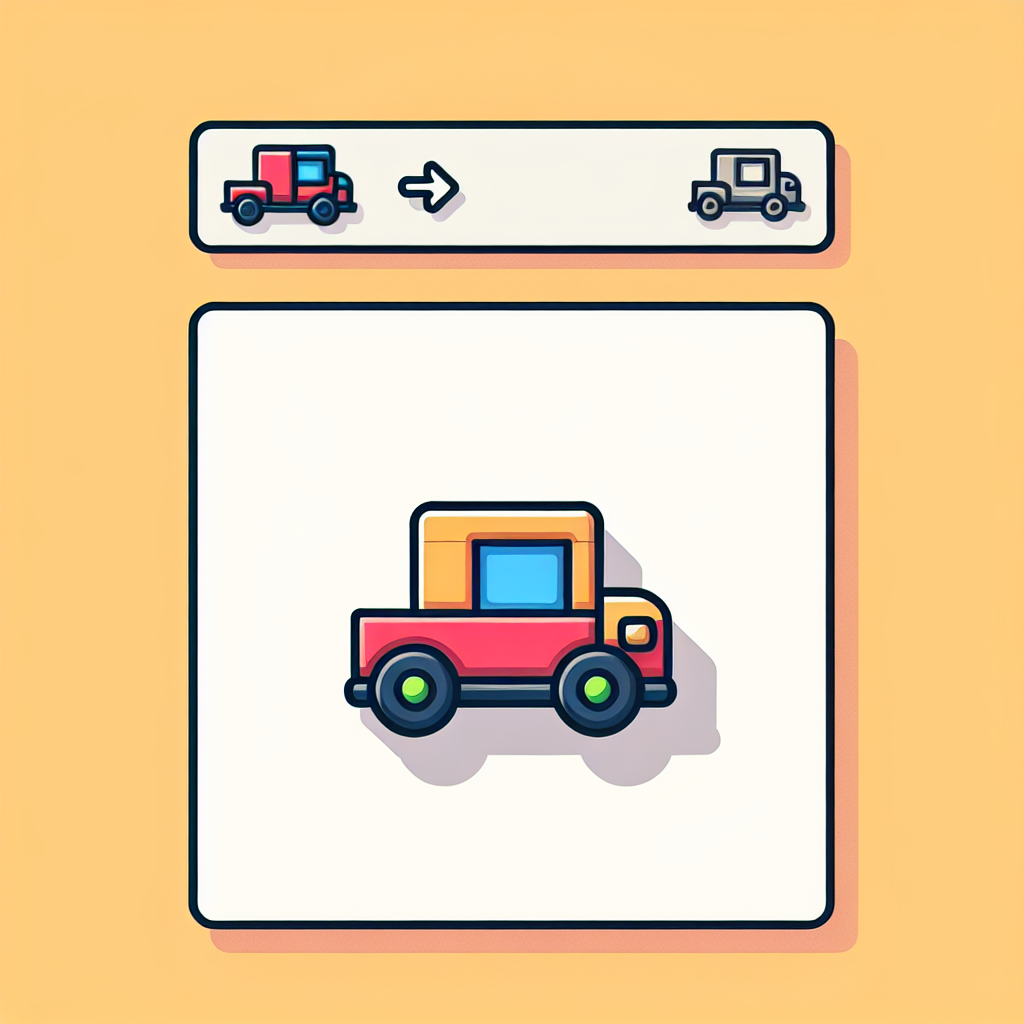
truck
initial
track
initial
trip
initial
trail
initial
trophy
initial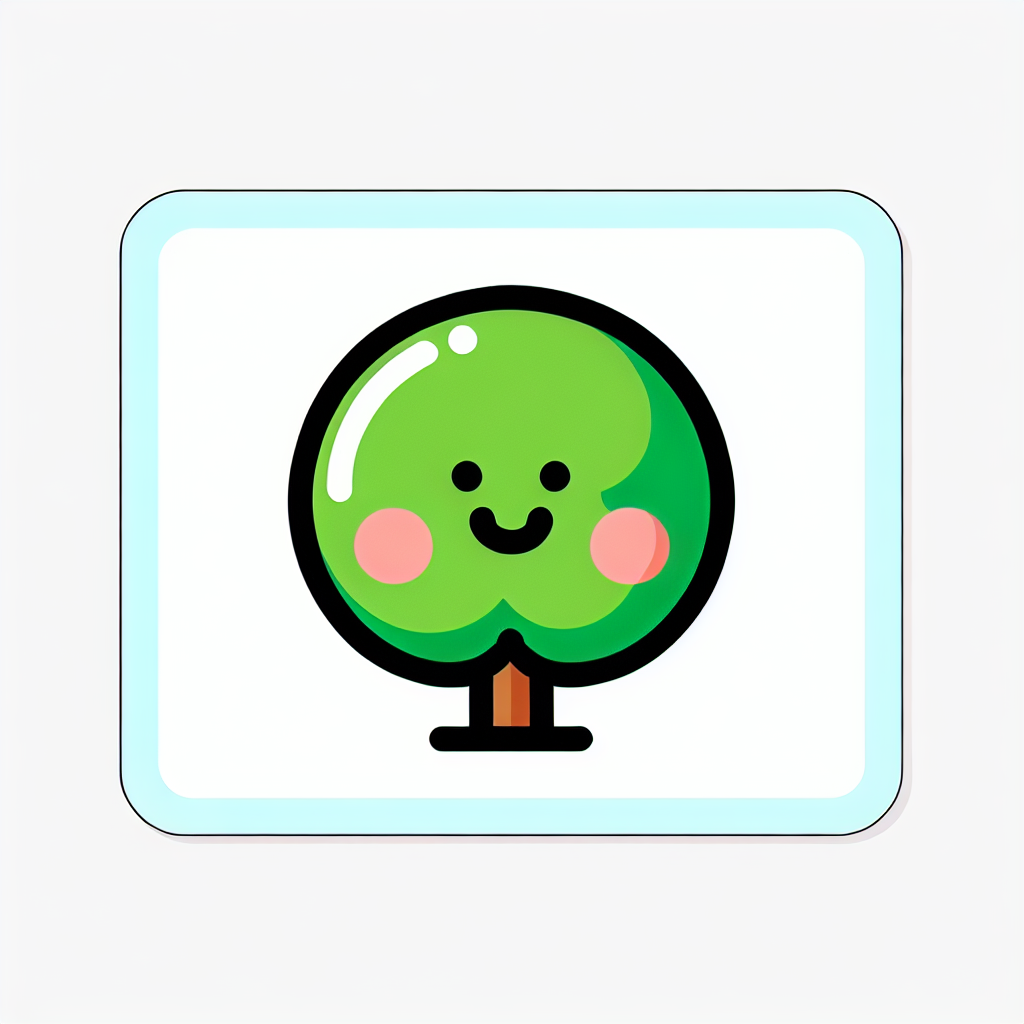
true
initial
treasure
initial
trick
initial
trunk
initial
tram
initialWant a personalised resource?
These are sample resources. Our SLTs create tailored worksheets specific to your child's goals, sounds, and progress.
Join the Waitlist