Sally Says Speech & Language Therapy — sallysays.co.nz
/p/ Sound Practice — 2–3 years — listening
This month's goal
To identify the sound accurately when listening — /p/ sound
Practice goal
5 minutes
3–5 times per week
Remember
Small amounts of practice throughout the week are more helpful than long sessions.
Most families only complete the Core Practice section regularly — that is completely okay.
Core Practice
— Start here5 minutes is enough. Choose 1–2 activities at a time. Keep it playful — you do not need perfect speech.
How to make the /p/ sound
The /p/ sound is made by pressing both lips firmly together, then letting a small puff of air pop out. It's a quiet sound — no voice, just a little burst of air from the lips. You can help your child notice it by saying 'pop!' and feeling the air on your hand.
Lips pressed together. Air builds up behind the lips, then releases in a tiny puff. No voice — it's a whisper sound.
👄 Lips together. Puff of air. No voice.
Practice words
~ 2 minsPractice sentences
~ 3 minsThe pig is in the mud!
Can you pat the puppy?
Pop! The bubble went pop!
I put peas on my plate.
The pink pig is happy.
Optional Extra Practice
If your child is enjoying the practice, try one of these extra activities.
🎧 Listening Challenge
Say each pair of words out loud, clearly and slowly. Ask your child to clap or tap the table when they hear the one that starts with a /p/ sound. No need for them to say anything — just listen and respond!
After each pair, say the /p/ word again yourself and give a big smile. Keep it playful — 'Did you hear that /p/? Pop!'
🔤 Sound Sorting
Lay out picture cards (or draw simple pictures) for all eight words. Say each word slowly and clearly. Ask your child to point to a 'yes' pile or a 'no' pile — does it have the /p/ sound? Your child just listens and points. No talking needed from them.
Has /p/
Does not
✅ This week my child…
Fun Challenges
These are just for fun — choose the ones your child would enjoy.
🏃 Clap for /p/
Say a list of simple words slowly and clearly. Each time your child hears a /p/ sound, they clap their hands or jump on the spot. Words to use: pig, dog, pop, cat, cup, sun, pea, ball, pan, bird. Clap together when you hear /p/ so your child knows they got it right!
🏆 Weekly Challenge
This week, listen out for /p/ words when you read a bedtime story together. Each time you say a word with /p/ in it, tap your knee. See how many taps you get before the end of the story!
🤔 Riddle
Clue 1: I am pink and I live on a farm.
Clue 2: I go oink oink!
Answer: pig
🔢 Maths With Sounds
Here are some peas on the plate. Count them with me: one, two, three. How many peas?
Answer: 3
Two pigs are in the mud. One more pig jumps in. How many pigs now?
Answer: 3
Count the /p/ words: pig, pea, pop. How many did you hear?
Answer: 3
Take Home Game
— Once the worksheet is doneA fun way to keep practising — use a game you already have at home, or the suggested substitute.
🎲 Fishing Game
~ 5–10 minsWhat you need
A simple magnetic fishing toy (or paper fish with a paperclip and a stick with string and a magnet). Write or draw a /p/ word picture on each fish: pig, pea, pop, pan, pup, cup, top.
How to play
Spread the fish out. Take turns 'catching' a fish. When you catch one, say the word out loud yourself — your child just needs to listen. If they hear the /p/ sound, they can clap, jump, or drop the fish in a bucket. Celebrate every catch!
Keep sessions short — 3 to 5 minutes is plenty. If your child loses interest, that's fine. Put the game away and try again another day.
Don't have it? No fishing toy? Draw simple pictures on pieces of paper and let your child pick one from a pile. The listening activity works just the same.
Everyday Life Ideas
Speech practice can happen anywhere, anytime. You don't need to stop and “do therapy” — simply model the sound naturally during everyday conversations.
- •At mealtimes, name the food on the plate using /p/ words naturally — 'Here are your peas, and this is your pasta!' No need to ask your child to repeat anything.
- •During bath time, play with cups and say 'pop!' each time a bubble bursts or water splashes. Hearing the sound in a fun, relaxed moment helps it sink in.
- •In the car, point out things you pass that have a /p/ sound — 'Look, a park! There's a puddle!' Keep it casual and fun, like a game you're playing together.
- •If your child says a word with /p/ in a way that isn't quite right yet — for example, saying 'tig' instead of 'pig' — just respond warmly and naturally: 'Yes! The pig is so cute!' You've modelled the right sound without any pressure.
💡 Technique tip — Modelling
Simply say the /p/ word clearly yourself during play or conversation. You don't need to ask your child to repeat it — hearing the sound lots of times in natural, relaxed situations is exactly what builds awareness at this age.
“While playing with toy animals, say naturally: 'Oh, here's the pig! The pig is hungry. Let's feed the pig.' No correction, no pressure — just lots of good listening opportunities.”
Even hearing the sound regularly helps learning. Your child does not need to get every word perfect — short, playful practice is often most effective.
Sally Says Speech & Language Therapy
Flashcards
Print this page and cut along the dashed lines.
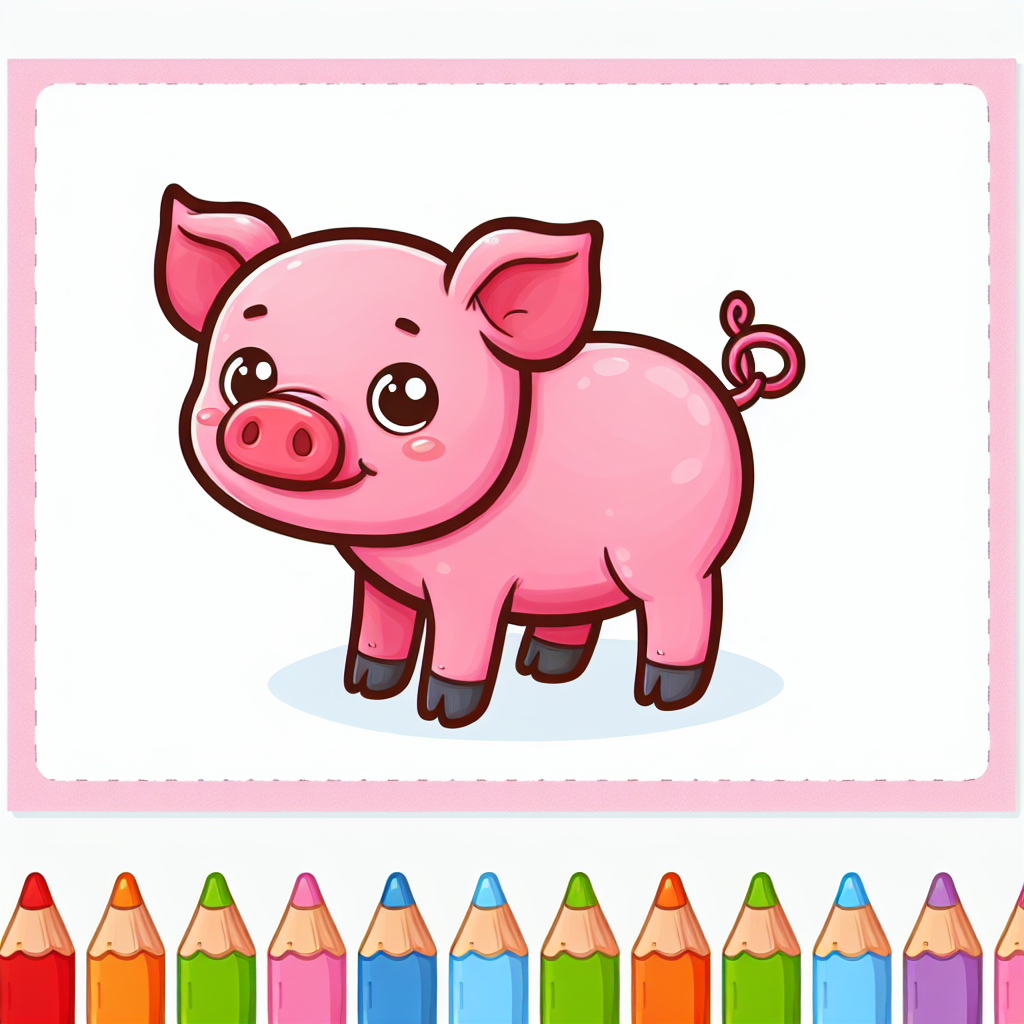
pig
initial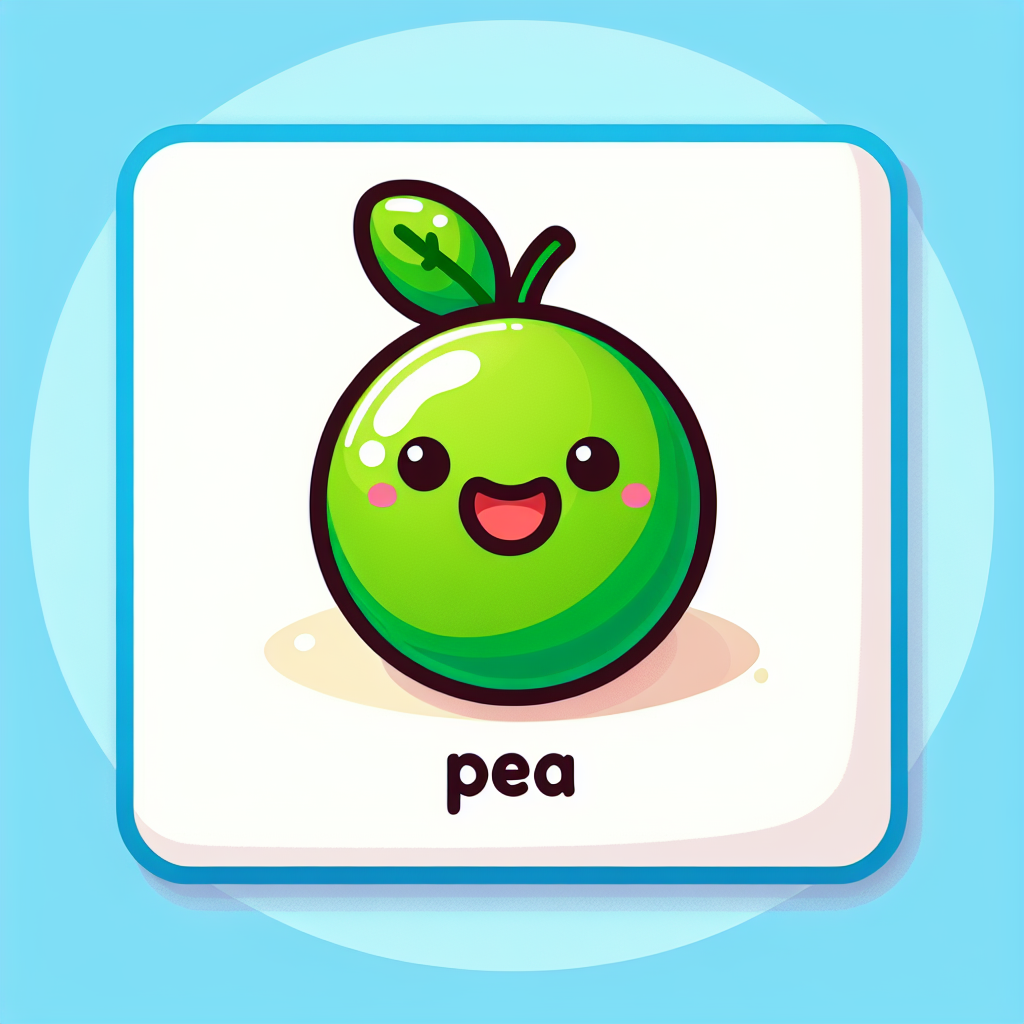
pea
initial
pop
initial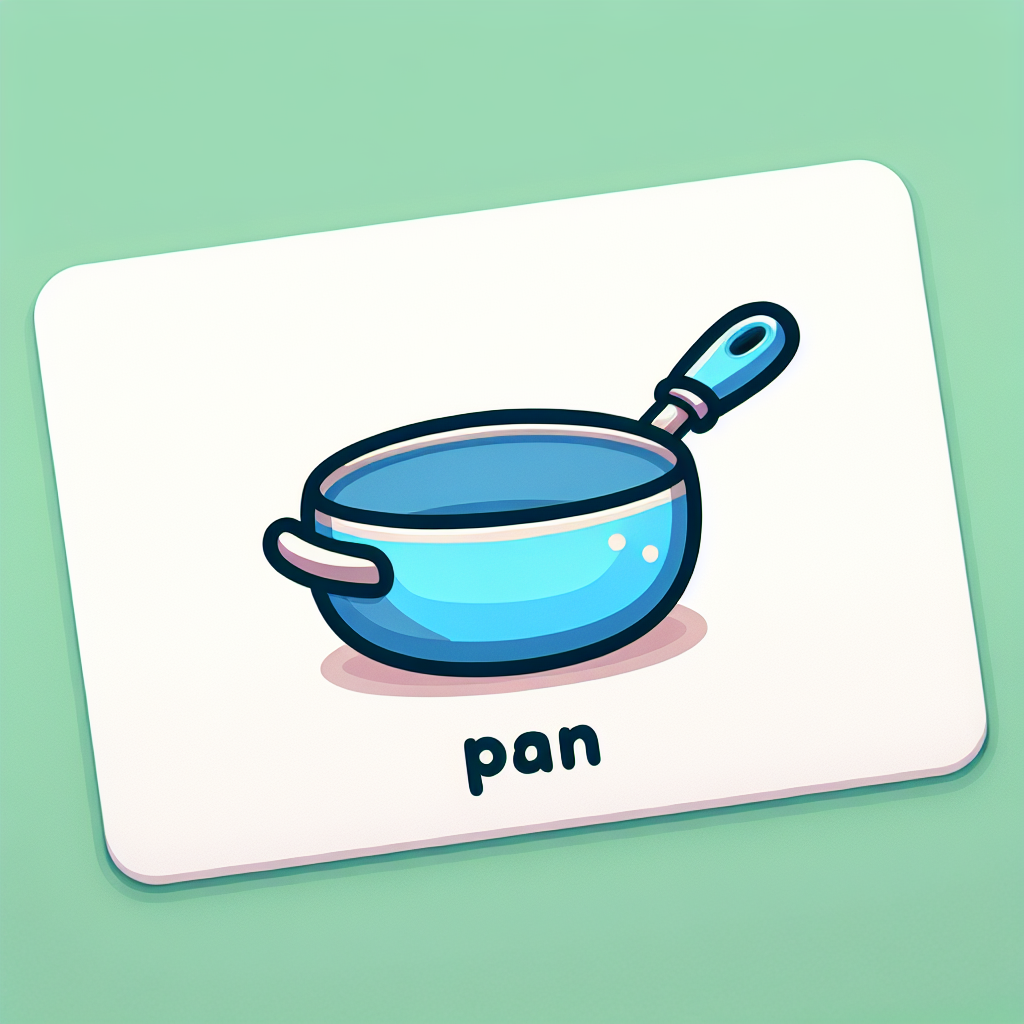
pan
initial
pat
initial
cup
final
top
final
happy
medial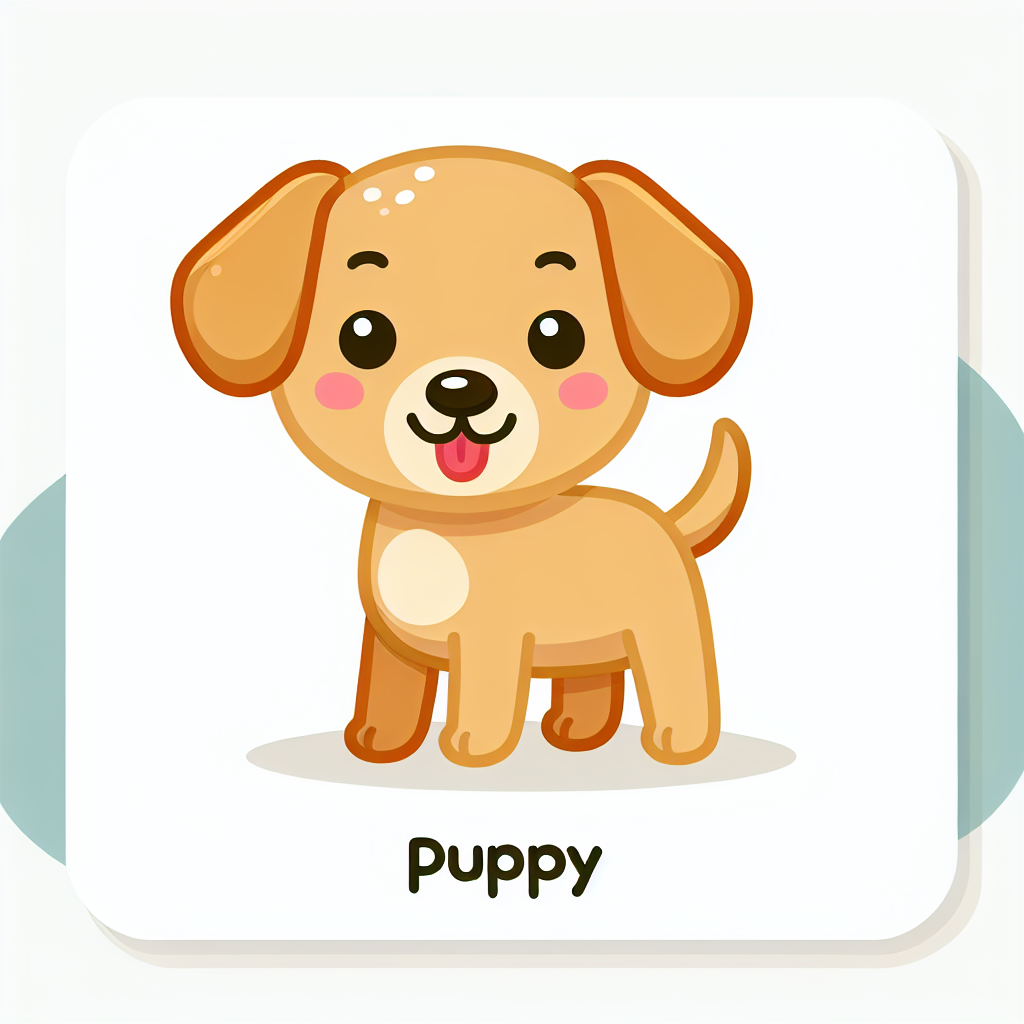
puppy
initial
nappy
medial
cap
final
tap
finalWant a personalised resource?
These are sample resources. Our SLTs create tailored worksheets specific to your child's goals, sounds, and progress.
Join the Waitlist