Sally Says Speech & Language Therapy — sallysays.co.nz
/z/ Sound Practice — 5–6 years — listening
This month's goal
To identify the sound accurately when listening — /z/ sound
Practice goal
5 minutes
3–5 times per week
Remember
Small amounts of practice throughout the week are more helpful than long sessions.
Most families only complete the Core Practice section regularly — that is completely okay.
Core Practice
— Start here5 minutes is enough. Choose 1–2 activities at a time. Keep it playful — you do not need perfect speech.
How to make the /z/ sound
The /z/ sound is a buzzing sound made with your voice turned on. It is very similar to the /s/ sound, but when you make /z/, your throat vibrates — like a bee humming. You can help your child notice this by putting their hand gently on their throat to feel the buzz.
Teeth are close together (almost touching). Lips are slightly spread. The tip of the tongue points toward the back of the top teeth. Voice is switched on, making a buzzing vibration.
👄 Teeth nearly touching. Lips spread. Voice on — feel the buzz!
Practice words
~ 2 minsPractice sentences
~ 3 minsThe zebra has black and white stripes.
Can you hear the buzzing bee outside?
She zipped up her jacket before going out.
The frozen lake sparkled in the morning sun.
The wizard kept his dazzling treasure locked in a puzzle box.
Optional Extra Practice
If your child is enjoying the practice, try one of these extra activities.
🎧 Listening Challenge
Read each pair of words aloud, slowly and clearly. Ask your child to point to a picture, hold up a finger, or just listen and nod when they hear the word you name. This practises hearing the difference between /z/ and /s/ — no speaking needed.
After each pair, say one word again and ask: 'Was that the buzzy one or the hissy one?' Your child can point or show thumbs up for buzzy, thumbs down for hissy.
🔤 Sound Sorting
Read each word aloud clearly. Your child listens and sorts — they can point to a 'buzzy' pile or a 'not buzzy' pile (use two sheets of paper labelled with a bee and a snake). No speaking needed — this is all about listening carefully.
Has /z/
Does not
❓ Quiz
I'm going to say two words: 'zip' and 'sip'. Which one starts with the buzzy /z/ sound? Point to the zebra picture if it's the first word, or point to the snake picture if it's the second word.
Answer: zip (first word — point to zebra)
Listen to these three words: 'frozen', 'happy', 'puzzle'. Two of them have the /z/ sound hiding inside. Can you hold up two fingers when you've heard both of them?
Answer: frozen and puzzle
I'll say a word — 'horizon'. Does the /z/ sound come at the beginning, the middle, or the end? Point to the start, middle, or end of a piece of string to show me.
Answer: middle
✅ This week my child…
Fun Challenges
These are just for fun — choose the ones your child would enjoy.
🏃 Freeze and Buzz
Read a list of words aloud one at a time — mix /z/ words and non-/z/ words. When your child hears a /z/ word, they jump up and buzz like a bee (arms out, wiggling). When they hear a word without /z/, they freeze completely still. Try these words in a random order: zebra, cat, fizz, boat, puzzle, tree, buzz, lamp, frozen, spider. No talking required — just listen and move!
🏆 Weekly Challenge
This week, try the Buzz Spotter challenge during a car ride or a walk. Every time you or your child spots something whose name has a /z/ sound in it — like a bee buzzing, a puzzle, or a frozen puddle — give it a little buzz sound together. See how many you can find before you get home. Listening only — no pressure to say anything perfectly!
🤔 Riddle
Clue 1: I am a place where you can walk around and look at all kinds of animals from different countries.
Clue 2: You might see a zebra, a giraffe, or even a monkey when you visit me on a family day out.
Answer: a zoo
🔢 Maths With Sounds
The zoo has 7 zebras. 3 of them walk away to get a drink. How many zebras are left? Listen carefully — how many zebras are left at the zoo?
Answer: 4 zebras
There are 5 buzzing bees in the garden. Then 4 more bees fly in. How many bees are buzzing altogether?
Answer: 9 bees
A wizard has 10 puzzle pieces. He loses 6 of them. How many puzzle pieces does the wizard have now?
Answer: 4 puzzle pieces
Take Home Game
— Once the worksheet is doneA fun way to keep practising — use a game you already have at home, or the suggested substitute.
🎲 Memory / Snap
~ 5–10 minsWhat you need
The flashcard words from this sheet — print two copies so you have pairs, or write words on small pieces of card.
How to play
Spread all cards face down. Take turns flipping two cards. When you turn over a card, say the word aloud clearly so your child hears the /z/ sound. If the cards match, keep the pair. If your child is doing the listening challenge, they give a thumbs up every time they hear a /z/ word — they don't need to say anything. The player with the most pairs wins.
To make it trickier, mix in a few non-/z/ words (like 'ship' or 'cat'). Your child listens carefully and only gives a thumbs up when they hear a genuine /z/ word.
Don't have it? No printer? Write the words on sticky notes or the back of old birthday cards. Works just as well!
Everyday Life Ideas
Speech practice can happen anywhere, anytime. You don't need to stop and “do therapy” — simply model the sound naturally during everyday conversations.
- •During bath time, point out any toys or bottles whose names have the /z/ sound — like a squeezy bottle — and just say the word clearly as you play. No need to ask your child to repeat it.
- •At mealtimes, if you are having something like frozen peas or a fizzy drink, simply name it naturally: 'Here are your frozen peas!' Your child's ears do the work without any pressure.
- •On a car ride, try the Buzz Spotter game — call out things you pass that have the /z/ sound, like a bus zooming past or a sign for a reserve. Your child just listens and gives a thumbs up when they catch one.
- •If your child says a /z/ word with a different sound — for example, 'I want to go to the soo' instead of 'zoo' — just respond warmly and naturally: 'Yes, the zoo sounds like a great idea! I wonder if the zebras will be out today.' You have gently modelled the correct sound without drawing attention to any difference.
💡 Technique tip — Modelling
When you hear or read a /z/ word during the day, simply say it clearly and naturally — no need to point it out or ask your child to repeat it. You are giving their ears lots of chances to tune in to the sound without any pressure.
“If your child says 'doz-ant' instead of 'doesn't', just reply naturally: 'Doesn't it? You're right, that puzzle doesn't fit there!' You have modelled the sound without correcting them.”
Even hearing the sound regularly helps learning. Your child does not need to get every word perfect — short, playful practice is often most effective.
Sally Says Speech & Language Therapy
Flashcards
Print this page and cut along the dashed lines.
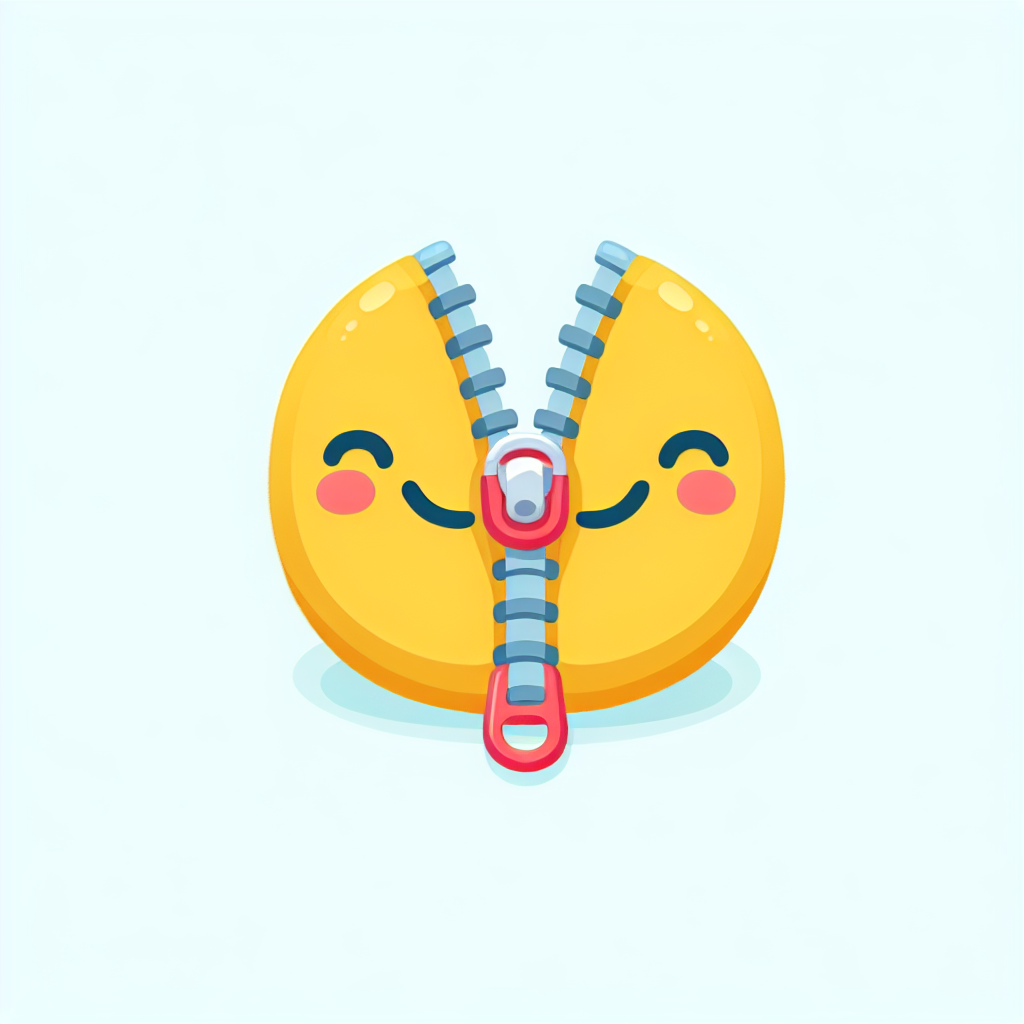
zip
initial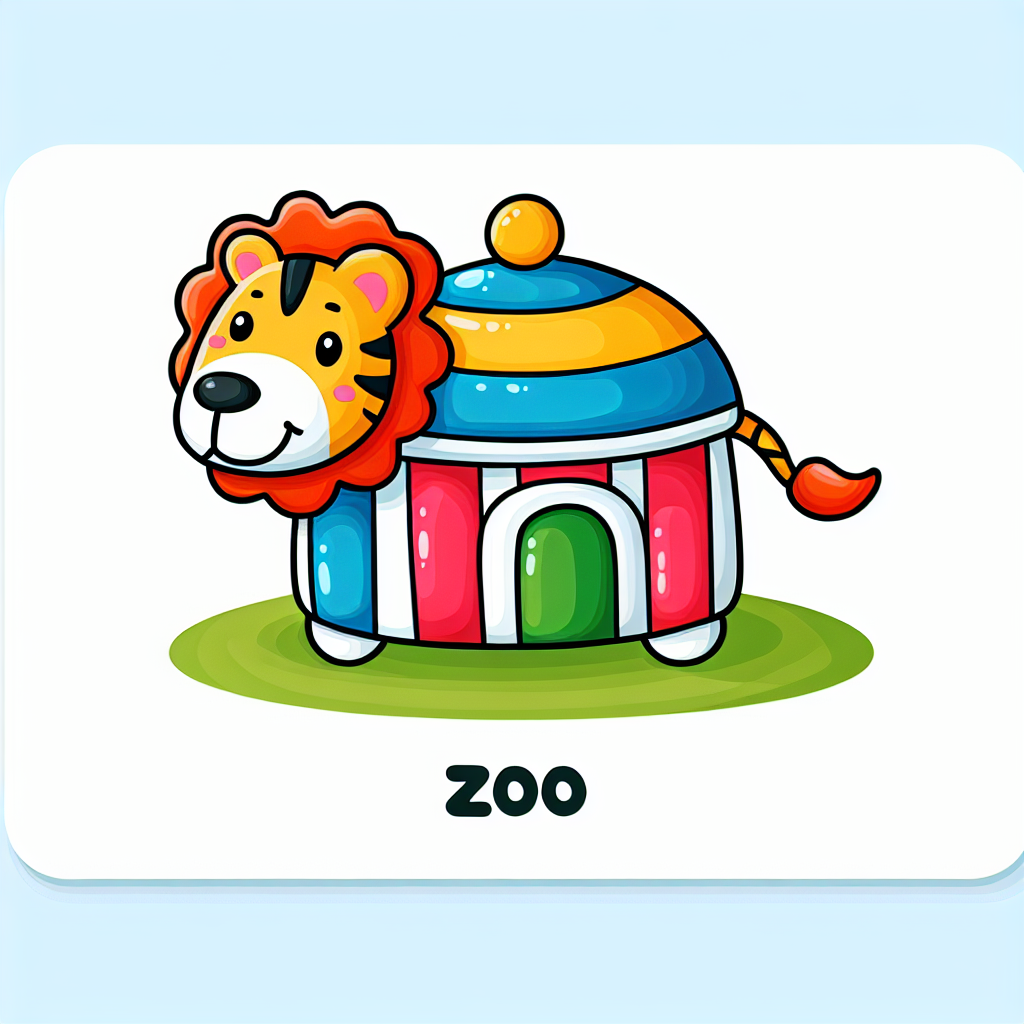
zoo
initial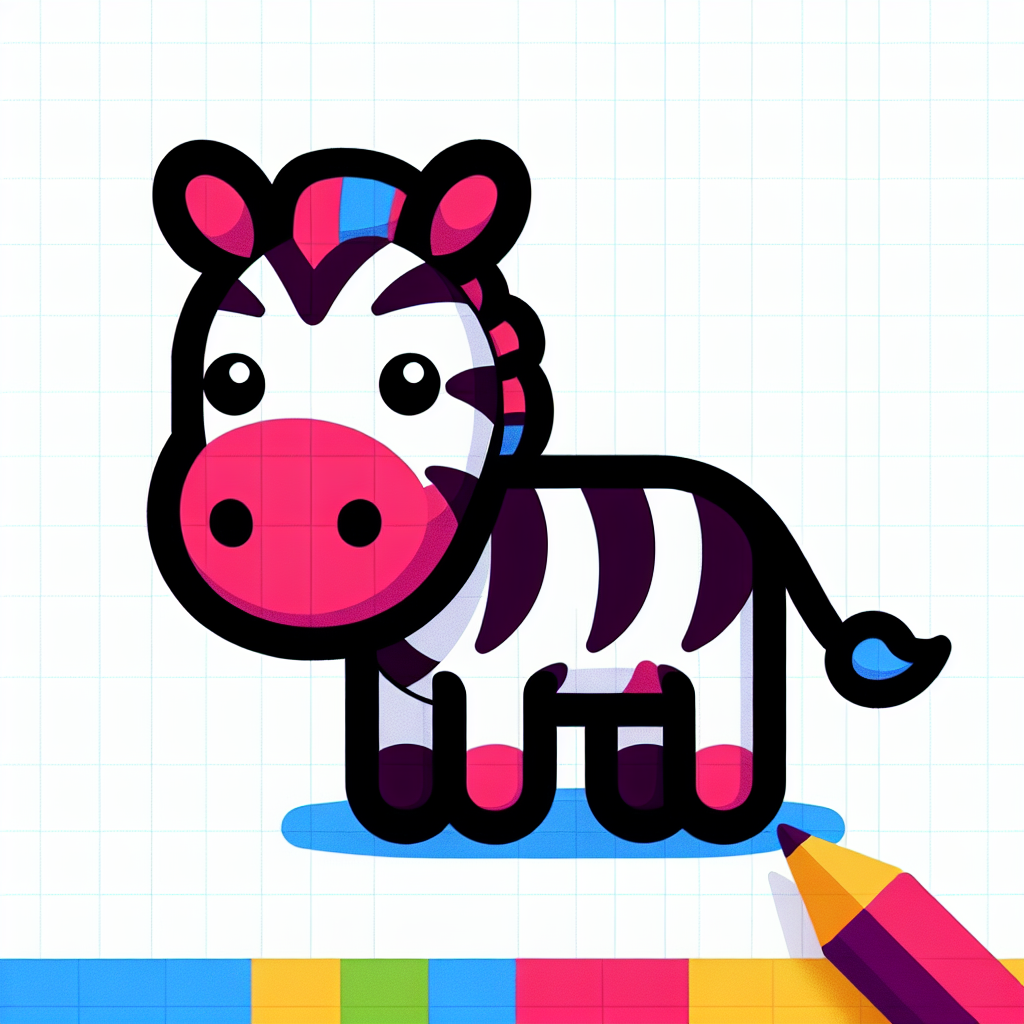
zebra
initial
zone
initial
buzz
final
fizz
final
maze
final
nose
final
puzzle
medial
frozen
medial
horizon
medial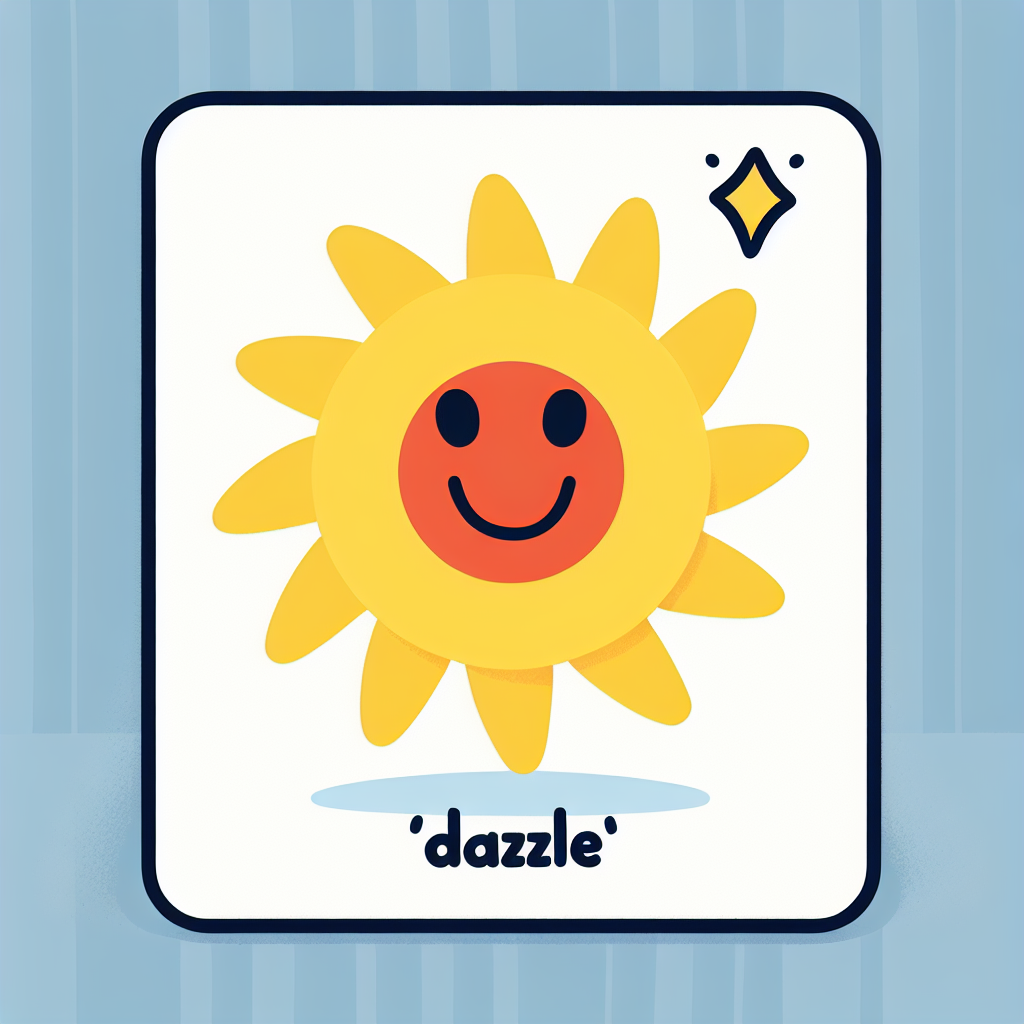
dazzle
medialWant a personalised resource?
These are sample resources. Our SLTs create tailored worksheets specific to your child's goals, sounds, and progress.
Join the Waitlist