Sally Says Speech & Language Therapy — sallysays.co.nz
/d/ Sound Practice — 3–4 years — words
This month's goal
To say the sound clearly in single words — /d/ sound
Practice goal
5 minutes
3–5 times per week
Remember
Small amounts of practice throughout the week are more helpful than long sessions.
Most families only complete the Core Practice section regularly — that is completely okay.
Core Practice
— Start here5 minutes is enough. Choose 1–2 activities at a time. Keep it playful — you do not need perfect speech.
How to make the /d/ sound
The /d/ sound is made by touching the tip of your tongue to the ridge just behind your top teeth, then quickly dropping it down as your voice turns on. It's a voiced sound — you can feel it buzzing in your throat! It sounds like a quick little drumbeat: 'duh'.
Tongue tip touches the bumpy ridge behind the top front teeth. Lips are slightly open. Voice is on — you can feel a gentle buzz in your throat.
👄 Tongue up. Voice on. Quick drop.
Practice words
~ 2 minsPractice sentences
~ 3 minsThe dog is digging.
Dad opened the door.
The duck went down.
I am done!
The dog is muddy.
Optional Extra Practice
If your child is enjoying the practice, try one of these extra activities.
🎧 Listening Challenge
Say each pair of words out loud, one at a time. Ask your child to point to the picture or object that matches the word you say. The goal is simply for them to hear the difference between /d/ and /t/ — no need to say anything themselves yet.
If your child isn't sure, just say both words again slowly and point together. Keep it light and playful — there are no wrong answers here.
🔤 Sound Sorting
Make two piles or draw two boxes on paper — one with a picture of a dog (the /d/ sound pile) and one with a picture of a cat (the no /d/ sound pile). Say each word out loud clearly. Ask your child to point to which pile it belongs in. They just need to listen and point — no need to say the words themselves.
Has /d/
Does not
❓ Quiz
Point to the one that starts with a /d/ sound — is it 'dog' or 'cat'?
Answer: dog
Which one has the /d/ sound — 'duck' or 'fish'?
Answer: duck
I'm going to say two words. Clap when you hear the /d/ one — 'tug' or 'dug'?
Answer: dug
✅ This week my child…
Fun Challenges
These are just for fun — choose the ones your child would enjoy.
🏃 Jump for /d/!
Say a mix of words out loud — some starting with /d/ (dog, duck, door, dad, dip) and some without (cat, fish, bus, top, bear). Every time your child hears a /d/ word, they jump up! If it doesn't start with /d/, they stand still. Keep the pace slow and fun — silly mistakes are part of the game.
🏆 Weekly Challenge
This week, go on a /d/ sound hunt at home! Walk around one room together and see how many things you can spot that start with a /d/ sound — like a door, a drawer, or a drink bottle. Point and say each one together. Five minutes is plenty!
🤔 Riddle
Clue 1: I am fluffy and furry. I wag my tail.
Clue 2: I like to dig in the garden and I love cuddles.
Answer: dog
🔢 Maths With Sounds
Here are some dogs! Count them with me — one, two, three, four, five. How many dogs are there? (Hold up 5 fingers or draw 5 simple dogs.)
Answer: 5 dogs
The duck has 3 friends. Then 2 more ducks swim over. Can you count all the ducks? (Count on fingers together.)
Answer: 5 ducks
There are 4 doors in our house. Can you walk around and count them? How many did you find?
Answer: Count together — whatever you find!
Take Home Game
— Once the worksheet is doneA fun way to keep practising — use a game you already have at home, or the suggested substitute.
🎲 Roll and Say
~ 5–10 minsWhat you need
One die and a set of simple picture word cards showing the practice words (dog, duck, door, dad, dig, dip, down, done). You can draw quick pictures on small pieces of paper.
How to play
Spread the word cards face-up on the table. Take turns rolling the die. Count out that many cards and pick one. Say the word on the card together. Keep going until all the cards are gone — whoever has the most cards wins!
If your child finds saying the word tricky, just say it together at the same time — 'Let's both say it: dog!' There's no pressure to get it perfect on their own.
Don't have it? No die? Use a spinner made from a pencil and a piece of paper with numbers 1–4, or just take turns picking a card.
Everyday Life Ideas
Speech practice can happen anywhere, anytime. You don't need to stop and “do therapy” — simply model the sound naturally during everyday conversations.
- •At bath time, name the toys in the water together — if there's a duck, a dolphin, or anything starting with /d/, say it a few times in a silly voice while you play.
- •In the car, try a quick /d/ sound I-Spy: 'I spy something starting with /d/!' Look for dogs, doors, driveways, or dustbins as you drive past.
- •At dinner, say words like 'dish', 'drink', and 'done' naturally as you go — your child will hear the /d/ sound without any pressure to copy you.
- •If your child says 'gog' instead of 'dog', just respond warmly and naturally: 'Yes! The dog is so cute!' You've modelled the right sound without any correction — and that's exactly right.
💡 Technique tip — Modelling
Say the word correctly yourself in a natural, relaxed way without drawing attention to any errors your child makes. Children learn speech sounds by hearing them lots of times in real conversation.
“If your child picks up the duck card and says 'guck', you simply smile and say 'Yes! Duck! The duck is yellow.' No correcting needed — just keep the conversation going warmly.”
Even hearing the sound regularly helps learning. Your child does not need to get every word perfect — short, playful practice is often most effective.
Sally Says Speech & Language Therapy
Flashcards
Print this page and cut along the dashed lines.

dog
initial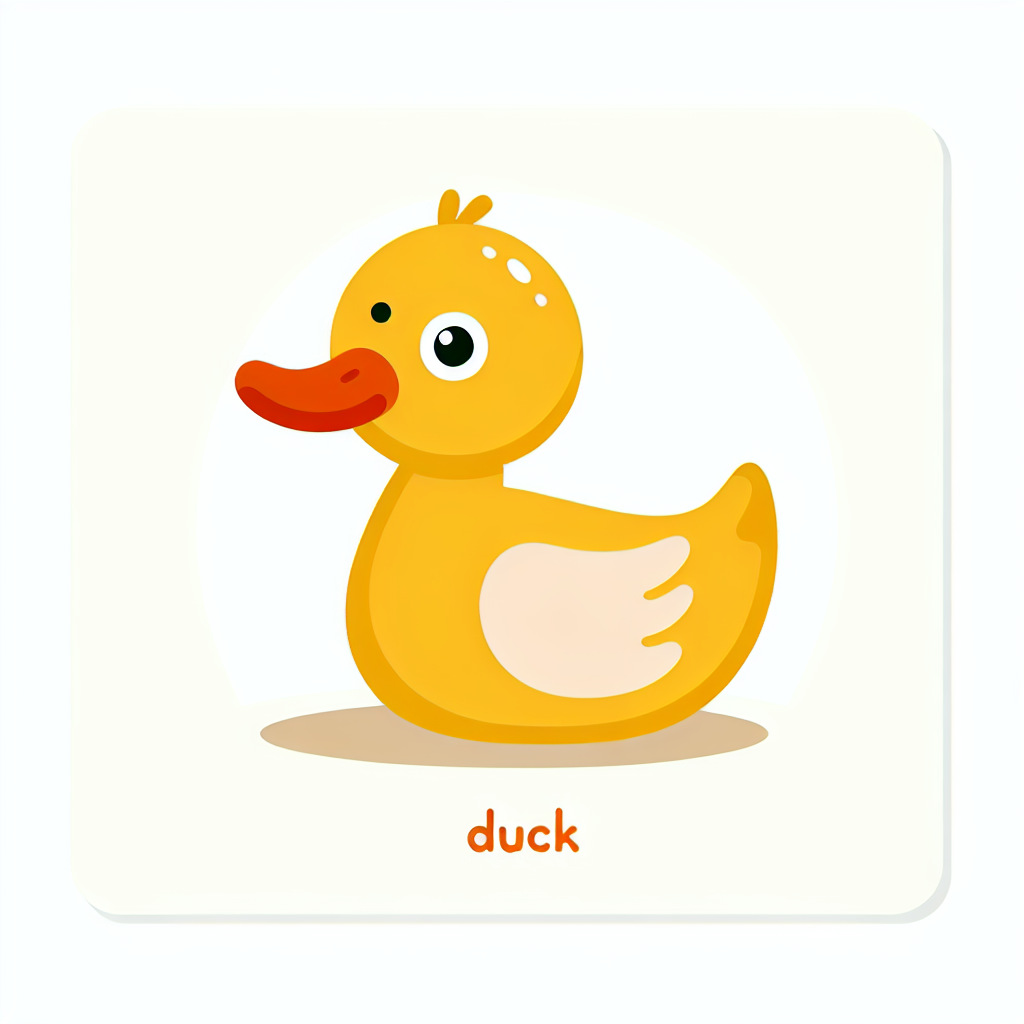
duck
initial
door
initial
dad
initial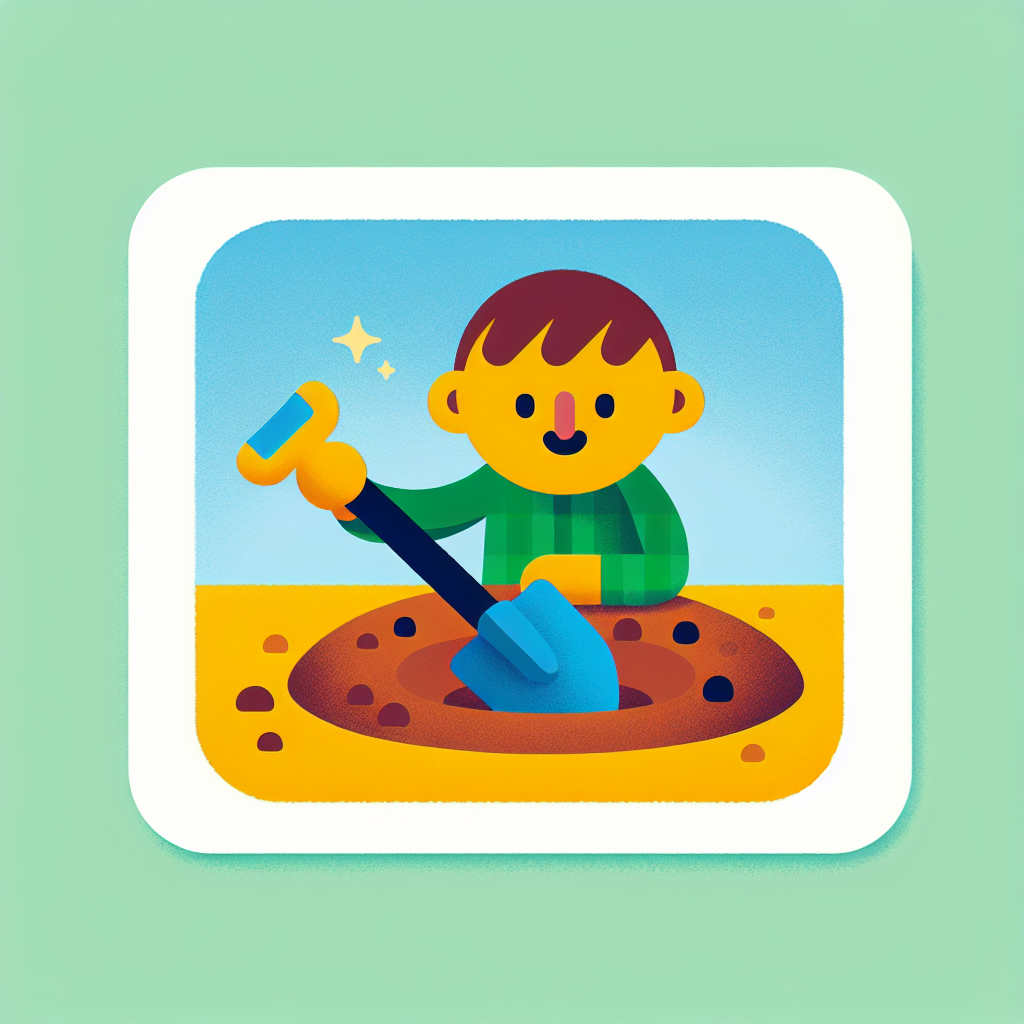
dig
initial
dip
initial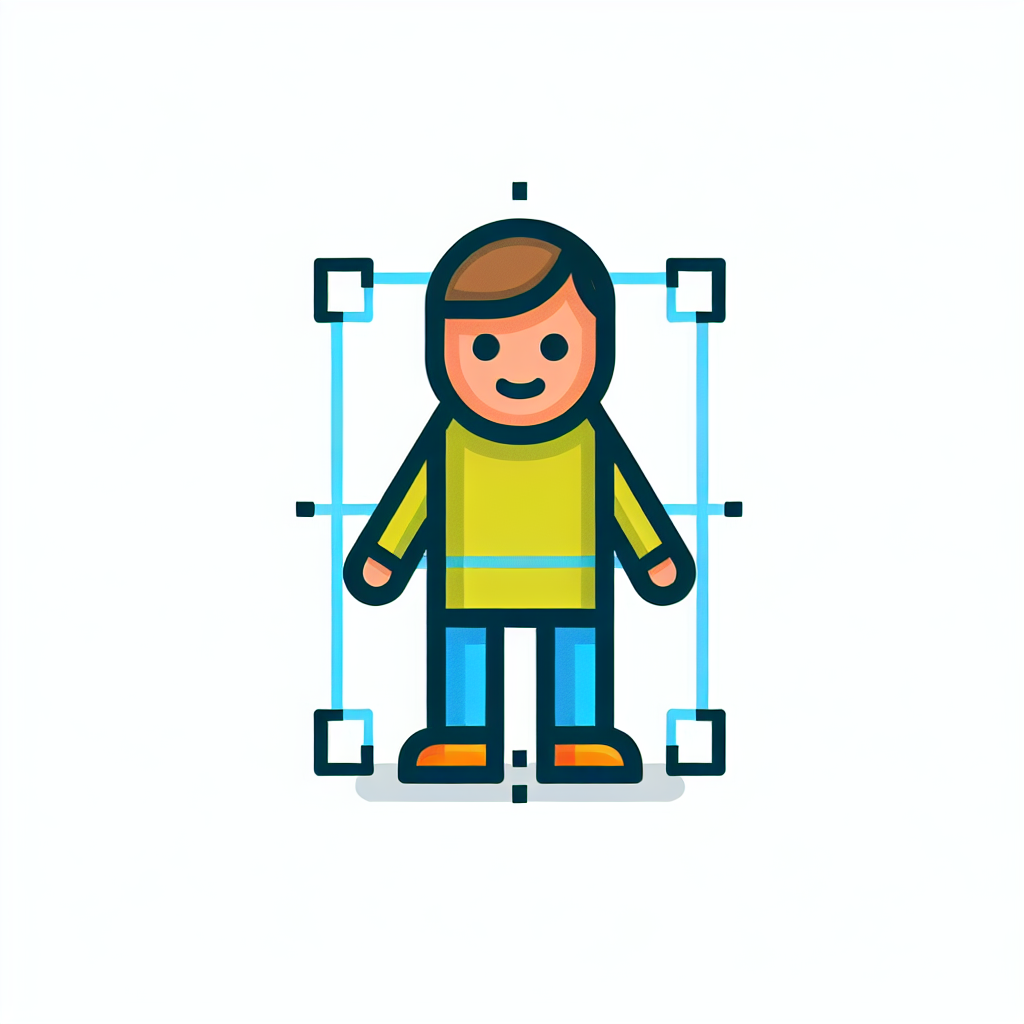
down
initial
muddy
medial
puddle
medial
ladder
medial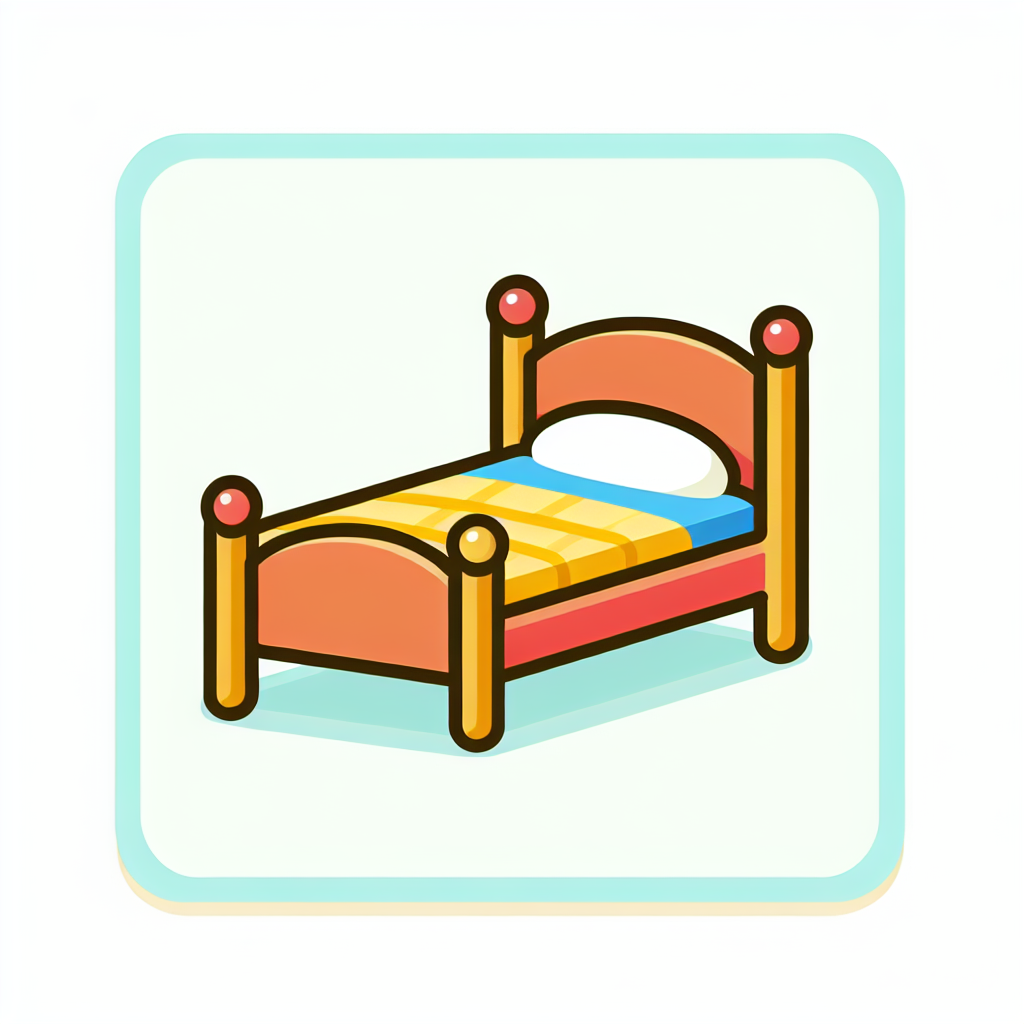
bed
final
mud
finalWant a personalised resource?
These are sample resources. Our SLTs create tailored worksheets specific to your child's goals, sounds, and progress.
Join the Waitlist